
31. March 2026
Global commemoration days like World Water Day (22 march) are key opportunities for the Swiss Water and Sanitation Consortium (SWSC) projects to encourage gatherings of local actors and stakeholders in a friendly atmosphere, to raise awareness and to reinforce commitments.
This year, the global spotlight is on Water and Gender emphasizing safe water and sanitation as fundamental human rights and highlighting the essential role of women’s leadership in water decision making. It also draws attention to the disproportionate impacts of water scarcity and poor sanitation on women and girls.
Water services must withstand climate change and meet everyone’s needs. A transformative, rights-based approach is necessary to solve the water crisis. With an approach where women’s voices, leadership and agency are fully recognized, services become more inclusive, sustainable and effective. Investing in women’s leadership will make water a force for a healthier, more prosperous, gender-equal future that will benefit us all.
Access to water is a right for everyone. Girls and boys must participate equally and work together to help conserve it.”
SINGBO Augustin, Head of the Kandi school district, Benin
The Swiss Water and Sanitation Consortium wishes to continue to contribute to make such changes happen on institutional and community level.
Women and children at the heart of efforts in Madagascar to ensure universal access to safe drinking water
In Madagascar the SWSC project supported World water day celebrations in two schools and surrounding villages where – Andranotantely and Motombe. Several activities took place: educational advisors from the School District provided support to teachers about practical exercises on drinking water and menstrual health and hygiene (MHH) using the Blue Schools kit. Secondly, the students clubs put their WASH knowledge into practice by raising awareness among community members. Among other things, they demonstrated various methods of water treatment, good practices for water conservation, and how to maintain water safety from the tap to the home. In addition, the children also spoke about the water cycle and resource conservation through good environmental practices and reforestation.
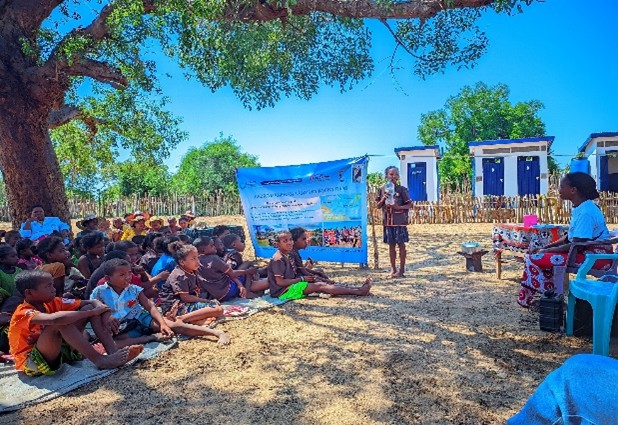
In addition, women’s associations shared personal testimonies in schools and communities advocating for equal access to drinking water services for all sections of the population. They highlighted the responsibilities of the municipalities in covering water costs for schools, as well as the commitment of all stakeholders, including school district officials, to ensuring the sustainability of infrastructure.
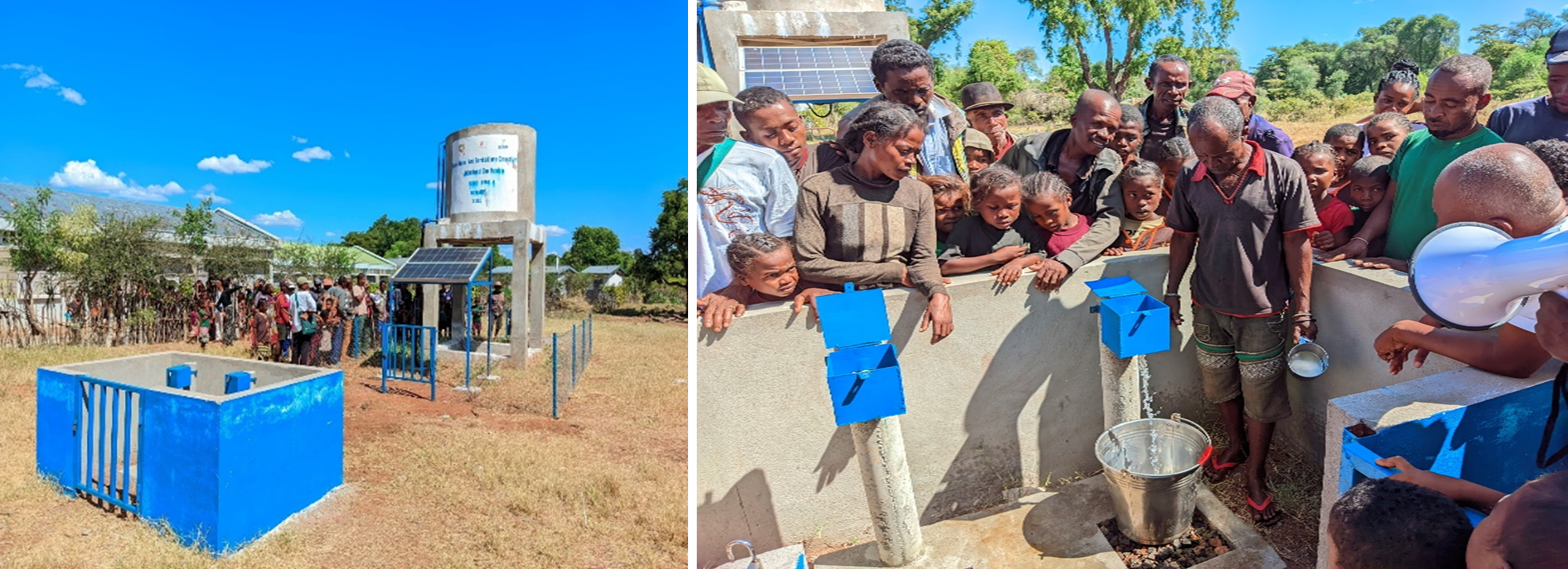
Lastly, the borehole equipped with a solar pump in the village of Motombe was inaugurated by the municipality of Amborompotsy. The municipality officially took over the monitoring of the facility but has delegated the management and maintenance to a small local company specialising in drinking water infrastructure management. The mayor raised awareness among users about payment for water as a crucial factor for sustainability while announcing that subsidised water vouchers will be provided to the most vulnerable community members to ensure equal and equitable access to drinking water services in the community.
Benin’s focus on equal rights and responsibilities
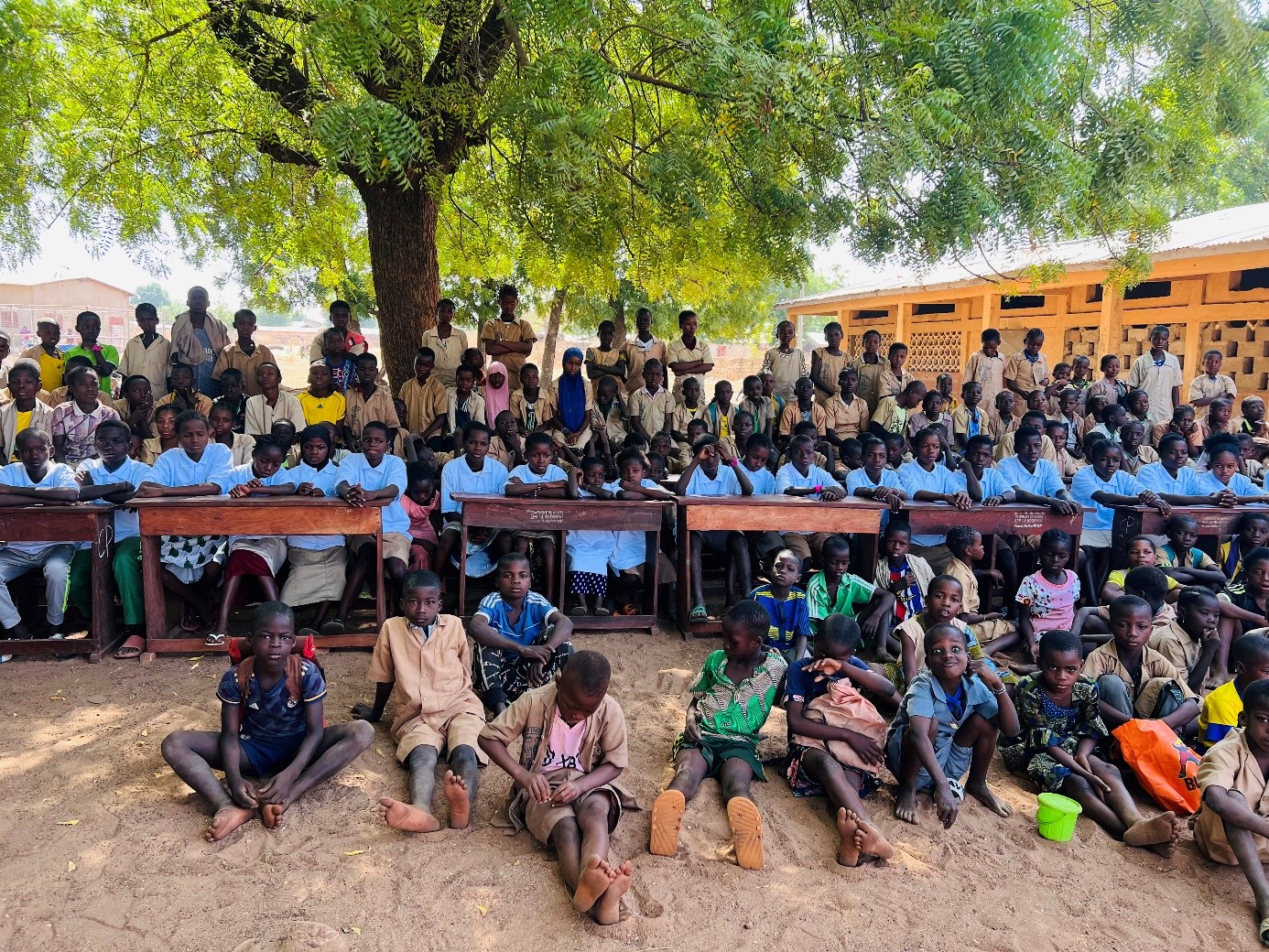
To mark World Water Day (WWD), an official celebration was organised on 18th March 2026 at the Bordérou State Primary School in the municipality of Kandi. The event was held under the slogan ‘Water, a shared responsibility: Girls and boys, equal rights!’ and brought together administrative authorities, stakeholders from the education sector, technical services, community leaders, surrounding communities and students to discuss the challenges of equitable access to water and the promotion of hygiene. Several speeches were given by the head of School district, the president of the Kandi Drinking Water Consumers Association, and representatives of the Departmental Directorate of Water, Energy and Mines and the Kandi town hall. They highlighted many different aspects of water such as access to drinking water as a fundamental human right, the importance of community commitment to ensure longevity of water infrastructure and the chance of each individual to become ambassadors for good water-related practices.
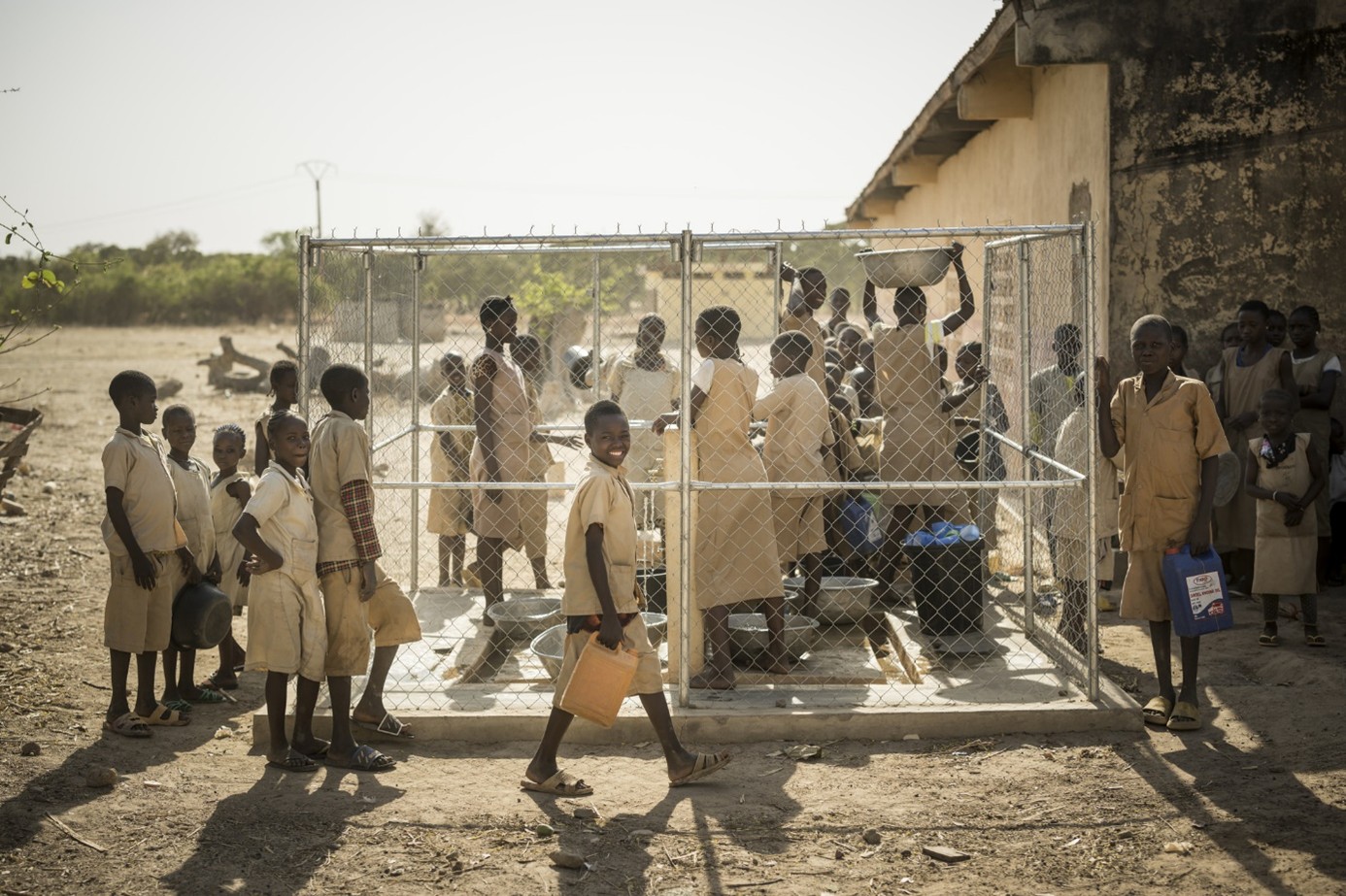
When girls and boys work together to protect water, they help build a healthier, fairer and more inclusive future.”
AÏCTCHEDOU Y. Jonathan, representative of the Departmental Director of Water, Energy and Mines (DDEEM) for Alibori.
Students played a major role in the event’s success through artistic performances such as themed sketches, songs and poetry recitals which raised awareness among the audience, in a fun and accessible way, of the links between water, hygiene, gender equality and human dignity.
A highlight of the celebration was when participants – including officials, community leaders, teachers, parents and students– made public commitments to protect water points, maintain infrastructure and adopt responsible behaviours regarding hygiene and sanitation.
- The schoolchildren pledged to adopt good hygiene practices, protect water points and pass on awareness messages to their families.
- Parents committed to supporting their children in applying good practices and to actively participating in community health initiatives.
- Teachers committed to raising pupils’ awareness and leading educational activities related to water, hygiene and sanitation.
This collective mobilisation demonstrates the commitment of local stakeholders to making equitable access to water and sanitation a reality.
Discovering a vital new angle in India
Climate change isn’t a distant headline for the Sundarban area of India. It is the reason why saltwater is breaching embankments and the cyclonic surges turn freshwater ponds into brine. The resulting deterioration of water quality is becoming an enormous challenge (equivalent to an increasing scarcity of safe water).
- Salinity Surge: total dissolved solid (TDS) levels frequently skyrocket past the permissible 500 mg/L limit rendering sterilisation procedure ineffective and reducing the efficiency of handwashing with soap – two of the most important components for Infection Prevention and Control (IPC).
- Maternal Health at Risk: a direct link between saline drinking water and increased rates of gestational hypertension and preeclampsia was observed[1], making safe water a cornerstone of reproductive justice.
- Ever present silent Threats: localized arsenic and iron contamination coupled with microbial contamination are constant invisible enemies.
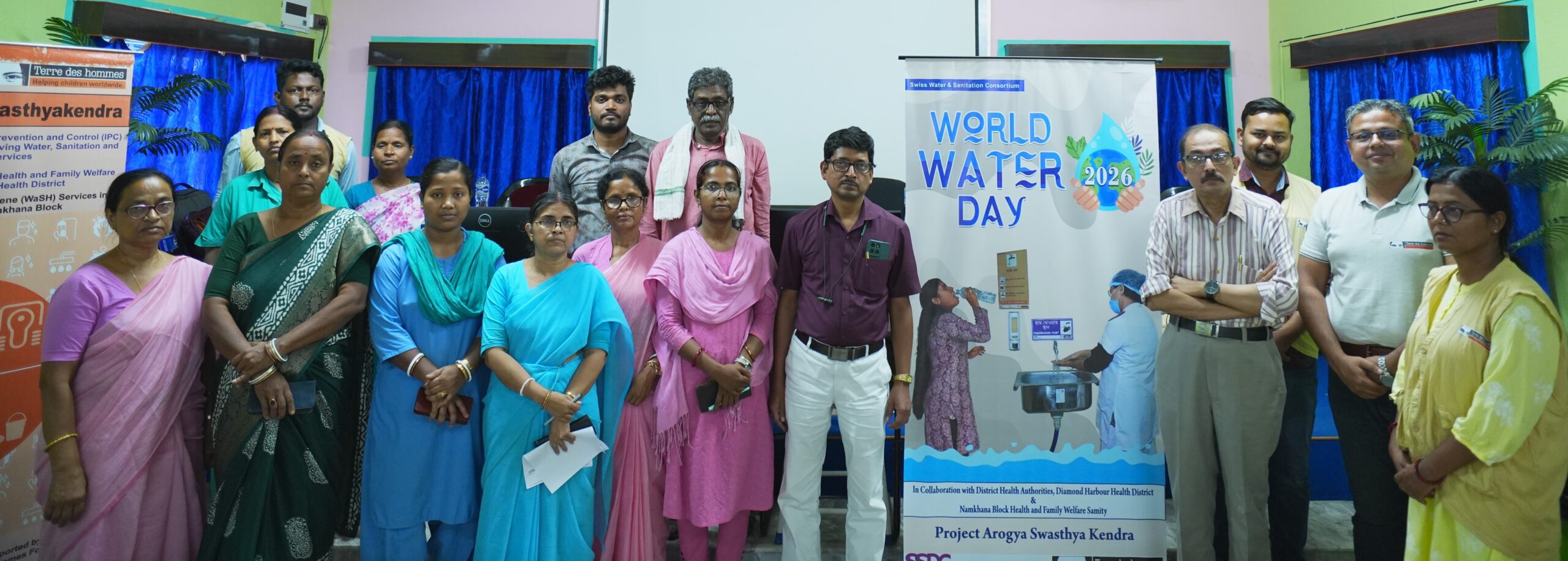
District and block health authorities in the region joined forces with medical professionals and researchers for a landmark workshop on the occasion of World Water Day. It was a collaborative deep-dive for the entire workforce of the HCFs including cleaning personnel, clerical staff, lab technicians, doctors and community health workers on the above challenges. The key takeaways from the session were the following:
- Beyond the Tap: Shifting the focus from “how much water do we have?” to “how safe is the water we use?”
- Chemical Education: Understanding the impact of chemical water quality like high TDS, fluoride and arsenic on patients
- Capacity Building: Empowering local staff to manage and monitor water quality at the facility level, ensuring that infrastructure damage from cyclones doesn’t mean a total collapse of hygiene.
The insights gained from the workshop have illuminated a vital new angle: The institutionalization of water safety through human capital. We are moving beyond the “bricks and mortar” of infrastructure to focus on the expertise of the people who make these facilities run to provide safe water; prioritizing the resource mobilization from local actors for sustaining the water quality at HCFs is key. A summary has been recorded in a video: https://youtube.com/shorts/ceHLlRBMFQg
South Sudan joyfully celebrates World Water Day
The South Sudan Red Cross Society was supporting the commemoration of World Water Day at Kudwo Primary School in Lokiliri Payam. The celebration brought together a diverse and enthusiastic group of participants, including pupils, community leaders, Water Management Committees, women and youth groups, Hand Pump Mechanics, and government officials from the education, WASH, health, and environmental departments at the payam level (second lowest administrative dvision in South Sudan). Their collective presence demonstrated strong community collaboration aimed at ensuring access to clean water and creating a healthier learning environment for children.
Throughout the celebrations, participants engaged in a wide range of interactive hygiene awareness activities. Pupils showcased their understanding and creativity through a lively handwashing competition, demonstrating proper hygiene techniques essential for preventing waterborne diseases and demonstration of menstrual hygiene kits. Students also presented drama highlighting the value of clean water, sanitation, and environmental protection—messages that resonated strongly with both children and adults.
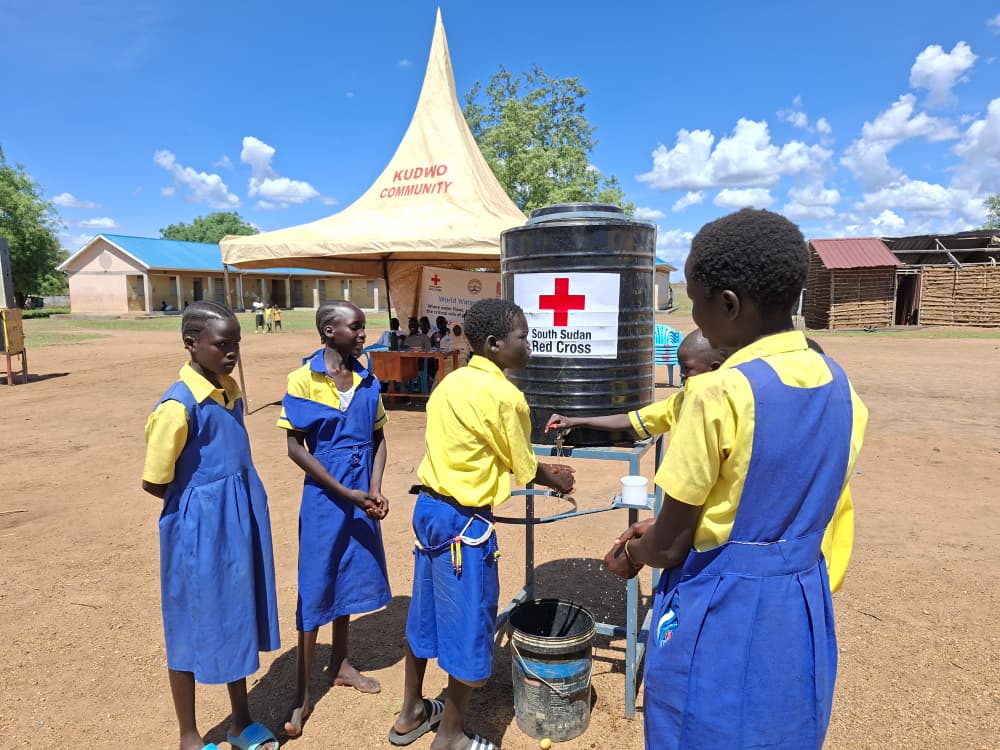
To reinforce practical action, attendees participated in environmental cleaning exercises around the school’s water points. This hands-on activity underscored the direct connection between a clean environment and sustainable access to safe water. The event concluded with joyful singing and dancing, creating an atmosphere of unity, celebration, and community pride.
Authors and photo credits: Taratra and Fastenaktion Madagascar, Helvetas Benin, Terre des hommes India and South Sudan Red Cross and Swiss Red Cross
[1] Source: https://www.researchgate.net/publication/266325680_Salinity_in_Drinking_Water_and_the_Risk_of_PreEclampsia_and_Gestational_Hypertension_in_Coastal_Bangladesh_A_Case-Control_Study